Back to front page
advanced search
What is Gliding? What is gliding?
Learning to Glide Learning to glide
Find a Club Find a club
Info for Clubs & Members Info for Clubs & Members
Sailplane & Gliding Magazine Sailplane & Gliding magazine
BGA Shop BGA shop
Contact Us Contact us
Press Press
British Gliding Team Visit the British Gliding Team website
Links Links
     

What is Gliding?

Gliding is many different things to many different people. For some, it is just a casual hobby, and a way to meet new people. For others, it is an inexpensive way to get airborne. For many, it is even the cutting edge sport of either racing or aerobatics.

For the UK's 77,000 gliding participants though, it is a silent and graceful way of flying without an engine. Of course, without an engine, you may wonder how you get airborne, and how you stay up. Read on! You may have more questions, in which case please go to the FAQ section.

Gliders

Gliders come in many shapes and sizes. They can also be cheap or expensive! Fortunately, you don't need to buy your own glider - clubs will generally all have two-seaters for instructional purposes, and most also have single-seaters which you move onto once you are sent solo. If you do buy your own glider, you can keep the cost down by joining a syndicate. You can read more about different gliders in the Gliders section.

Launching

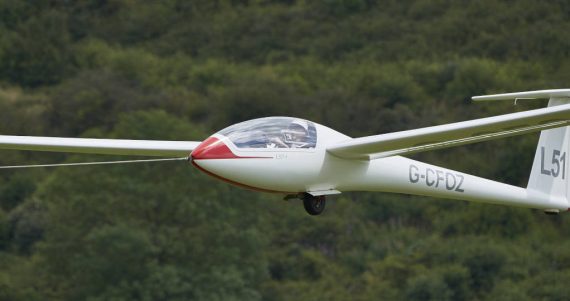
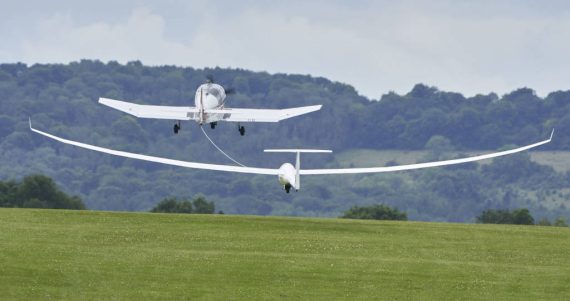
In order to launch, you do need a little assistance. There are several ways of doing this. The aerotow launch is very docile, and involves being pulled up by a light aircraft with a strong rope in between. When the glider gets to the required height, the glider releases the cable, and the glider is free! Winch launching is probably the most common. This involves being attached to a winch with a long reel of wire. When the wire gets pulled in, the glider gets the speed to fly into the air like a kite. When you are almost overhead the winch, again you can release the cable. Bungy launching is not very common these days. For this, you need a hill with a strong wind blowing against it. The glider will be attached to the bungy, and held back by several people. Some more people will pull on the other end of the bungy, and walk down the hill to stretch the bungy. Once tight enough, the glider is released, and quickly becomes airborne and you can stay aloft using the "hill lift".


An aerotow launch leaves the groundAn aerotow in progress

Staying Up

Once you are airborne, how do you stay up? Well, this depends on finding air that is rising. There are three forms of this "lift" that help us stay up - thermals, ridge (or hill) lift and wave. For more information, have a look at the Soaring section.

Going Places

Now you know you can stay up (given the right conditions!), you can use this to go places or go "cross-country". Normally, this involves using one, or even all three forms of lift to get height, and then using this height to go forward to the next point on our task (or to the next area of lift). A typical task may be a 300 kilometre triangle, with the aim to get back to where you started. It is in this way that you can race - very simply, a task is set and the fastest person round it is the winner!


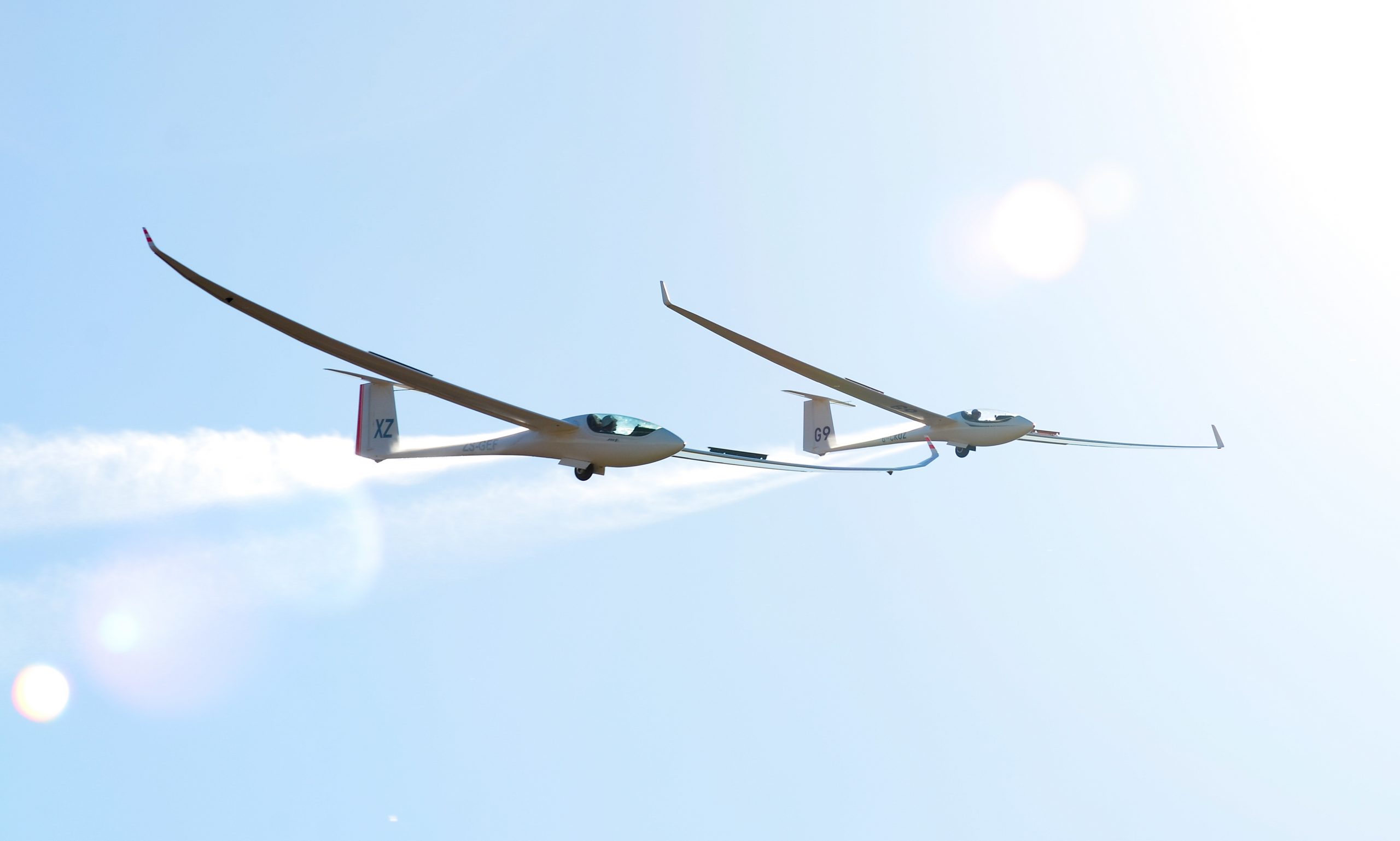
Two gliders racing around a task

Aerobatics

We've all seen powered aircraft do aerobatics, but how does a glider do them? Well, very simply, in very much the same way. Gliders are just as strong and just as manoeuvrable as most powered aircraft, but with one difference - no engine! This means that an aerobatic flight normally involves taking a high aerotow and then using the height energy to perform the moves. To get the speed to perform these aerial feats, rather than using power, you turn your height into speed. Gliders may be slightly limited in what they can perform without an engine, but the gap is small, and they are silent and graceful in the execution. Find out more about aerobatics here.

Just Gliding!

Of course, if you take up gliding, you don't have to become a racing or an aerobatic pilot. Many people just enjoy seeing the world from a different viewpoint, or even enjoy the thrill of trying to perfect their basic flying skills. A large number of glider pilots also carry on to become instructors (most instructors are unpaid, but professional nonetheless!) so that they can pass on the skills they have learned.


Terms ¦ Contact ¦ Feedback

© BGA Ltd 2008
Photos © the White Planes picture co. except where stated
Web design © www.launch-point.co.uk